
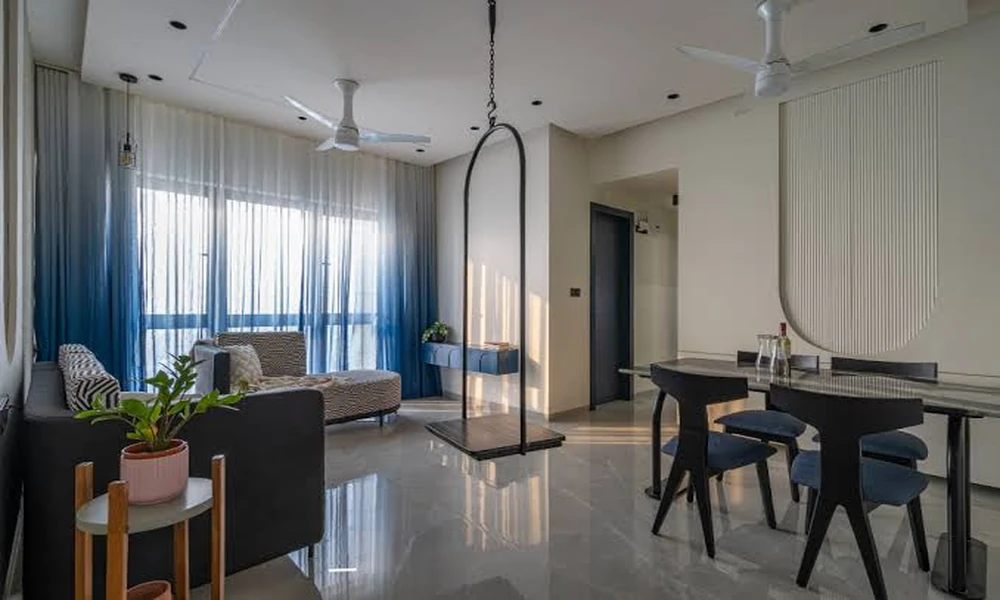
Your living room is where guests gather, families relax, and daylight streams in through the windows. How you dress those windows shapes the entire mood of the space. Get it right, and the room feels balanced, warm, and polished. Get it wrong, and even beautiful furniture can feel unfinished.
Pairing curtains with blinds is one of the smartest ways to control light, add depth, and create a layered, considered look. This guide walks you through how to coordinate a great curtain design for living room by choosing the right fabrics, textures, and colors, then blending them seamlessly with blinds.
Why Layering Curtains with Blinds Works
Layering isn’t just a decorative flourish. It’s practical. Blinds give you precise control over light and privacy, letting you tilt slats to soften harsh afternoon sun or shut them fully for total seclusion. Curtains, meanwhile, add softness, warmth, and a sense of height that hard window treatments alone can’t deliver.
Used together, they cover every base. During the day, sheer or light curtains diffuse sunlight while blinds fine-tune the glare. In the evening, heavier drapes and closed blinds create a cozy, insulated retreat. This combination also lets you play with texture and tone, which is where a thoughtful curtain design for your living room really comes to life.
How to Choose the Right Curtain Fabrics
Fabric sets the personality of your window treatment, so start here. The weight and weave you pick determine how the material falls, filters light, and feels in the room.
For an airy, relaxed look, linen and cotton curtain fabrics drape beautifully and suit casual, sunlit spaces. If you want a formal, luxurious feel, opt for velvet or silk-blend curtain fabrics that hang in rich, deep folds and add a sense of occasion. For everyday living rooms that see heavy use, a durable poly-cotton blend offers easy care without sacrificing style.
Pay attention to opacity too. Sheers filter light gently and pair wonderfully over blinds, while lined or blackout fabrics block light fully for movie nights or afternoon naps. Matching the fabric to how you actually use the room keeps your choice both practical and stylish.
Pairing Styles for a Cohesive Look
Coordination is about balance, not perfect matching. The goal is for your curtains and blinds to feel like they belong together while each still does its job.
Contrast textures thoughtfully. Smooth roller blinds pair beautifully with textured, nubby drapes, creating gentle visual interest. Sleek roman blinds, on the other hand, complement crisp cotton panels for a clean, tailored finish.
Coordinate colors with intention. A reliable approach is to keep one element neutral and let the other carry more character. Neutral blinds in cream, grey, or soft taupe let patterned or richly colored curtains take center stage. Alternatively, match your blinds to your wall tone so they recede quietly, allowing the drapery to frame the window.
Mind the scale of pattern. If your curtains feature a bold print, keep the blinds plain. Two competing patterns can quickly overwhelm a space, so let one lead and the other support.
Practical Layering Tips
A few small details separate an amateur setup from a professional one. Hang your curtain rod higher and wider than the window frame. This makes the window appear larger and lets curtains stack neatly to the sides, keeping the blinds fully visible when open.
Ensure your curtains just kiss the floor or pool slightly for a relaxed elegance. Avoid curtains that hover awkwardly above the ground, as they can make the whole arrangement feel unfinished. Finally, choose blinds that fit snugly inside the window recess, giving the drapes room to breathe on the outside.
Conclusion
A well-planned curtain design for your living room brings comfort, control, and character to your space. When you thoughtfully pair the right curtain fabrics with complementary blinds, you gain flexible light control and a layered look that feels both inviting and refined.
Start by choosing fabrics that suit how you live, then coordinate colors and textures so each element supports the other. Keep patterns balanced and mind the small details of length and placement. With these principles in hand, you can create a window treatment that looks professionally styled and works beautifully every day.
