
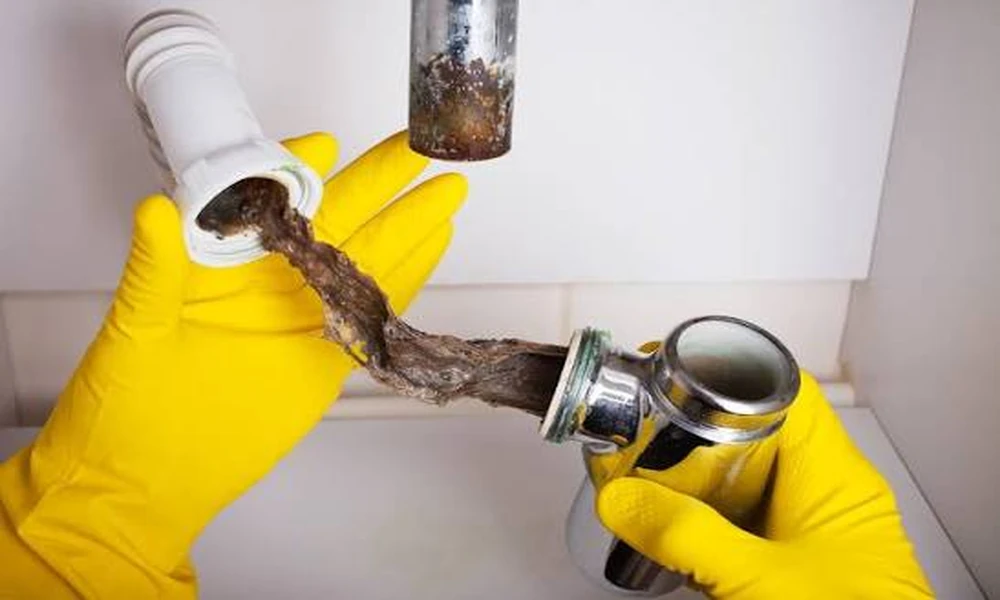
Have you cleared the same drain several times, only to watch the clog return a few days or weeks later? If so, the problem may be deeper than hair, grease, or soap buildup. A sagging drain line could be creating the perfect place for waste and water to collect. But what exactly causes a drain line to sag, and why does it lead to recurring clogs?
What Is A Sagging Drain Line?
A drain line is designed to slope slightly so wastewater can flow naturally toward the main sewer line. Over time, sections of underground piping can shift because of soil movement, erosion, poor installation, or aging materials. When part of the pipe drops lower than the surrounding sections, it creates a low spot known as a belly or sag.
Instead of flowing smoothly, water and waste can settle in this low section. Think of it like a small dip in a road where rainwater keeps collecting.
Why Does It Cause Recurring Clogs?
So, why does one low spot create so many plumbing problems?
When wastewater sits inside a sagging pipe, solid materials can settle instead of moving through the line. Grease, sediment, paper, and other debris can gradually build up around the low spot. Eventually, the opening becomes restricted, causing slow drainage or a complete blockage.
You may clear the clog, but if the sag remains, the same buildup can happen again. That is why repeated drain cleaning may only provide temporary relief.
What Are The Warning Signs?
How can you tell if a sagging drain line could be behind your recurring clogs?
Watch for slow drains that keep returning, multiple fixtures draining poorly, gurgling sounds, unpleasant sewer odors, or wastewater backing up into sinks, tubs, or showers. Frequent plumbing problems in the same area are another reason to investigate what is happening inside the drain line.
How Is A Sagging Drain Line Repaired?
A professional plumber can use an inline video inspection to look inside the pipe and identify the exact location of the sag. Depending on the condition and location of the line, repair options may include replacing the damaged section, correcting the pipe slope, or using a suitable trenchless repair method.
The right solution depends on the pipe material, accessibility, and severity of the problem.
Keep Recurring Clogs From Coming Back
Recurring clogs should not always be treated as isolated blockages. If your Los Angeles home keeps experiencing drainage problems, the underlying pipe could need attention.
Adeedo Drains, Plumbing, Heating, & Air provides professional drain and plumbing services throughout Southern California. Contact Adeedo today for expert drain inspections and reliable plumbing solutions that address the problem at its source.
